
Seeking answers? Discover how identifying ADH1 could help in managing symptoms.

ADH1 (autosomal dominant hypocalcemia type 1) is a genetic form of hypoparathyroidism characterised by low blood calcium levels.1
How is ADH1 diagnosed?
Patients with ADH1 share a similar biochemical profile with other forms of hypoparathyroidism, but they face a higher risk of treatment-related complications.1
Why is this the case?
This occurs because their low PTH levels, combined with an overly sensitive calcium-sensing receptor (CaSR) in the kidneys, increase the likelihood of calcium buildup. As a result, patients are more prone to kidney calcification (nephrocalcinosis), kidney stones (nephrolithiasis), and a gradual decline in kidney function.1–3
Therefore, genetic testing is essential in the diagnostic process, as it identifies mutations in the CaSR gene responsible for the condition.1
Differentiating ADH1 from other forms of hypoparathyroidism through genetic testing enables personalized treatment strategies, improving patient outcomes and quality of life.1
How can genetic testing help?
A confirmed diagnosis of ADH1 via genetic testing is essential to:1
- Guide medical management – ADH1 requires frequent monitoring with the goal of minimizing kidney-related complications
- Identify relatives who may carry the gene variant
- Assist in family planning
Who should consider genetic testing?
Genetic testing and/or family screening is recommended in individuals with non surgical hypoparathyroidism.
Approximately 20% of ADH1 cases occur without family history, so testing should be considered even if you have no family history of hypoparathyroidism.1
Genetic testing typically involves a blood or saliva sample analyzed for specific gene mutations. In most cases, you will need to be referred by a doctor or specialist.5
How to know if genetic testing is right for you?
If you’re unsure about getting a genetic test, a genetic counselor can help you evaluate what the test means for you and your family.5
Counselors provide support in understanding the risks, benefits, and potential outcomes of genetic testing, aiding informed decision-making.5
Take Action: talk to your doctor about genetic testing
If you or a family member exhibit symptoms of hypocalcemia or have a family history of hypoparathyroidism, consider discussing genetic testing with your healthcare provider. Early diagnosis through genetic testing is a proactive step toward effective management and improved wellbeing.
Patient journey
Despite symptoms typically emerging in infancy or early childhood, many patients face significant delays in receiving an accurate diagnosis.
The median age for diagnosing a typical hypocalcemia-related disorder is 4 years, but the median age for a genetically confirmed ADH1 diagnosis is 25 years.1 This delay is often due to initial misdiagnoses, such as idiopathic hypoparathyroidism or other hypocalcemia-related disorders, leading to inappropriate treatments and prolonged uncertainty.1
Ongoing Management
Once diagnosed, management focuses on maintaining calcium levels around the lower limit of normal. Regular monitoring is crucial to prevent complications like kidney calcification, kidney stones, and impaired kidney function.1,2
Addressing diagnostic delays through increased awareness and early genetic testing is vital for improving patient outcomes and quality of life.
Patient stories
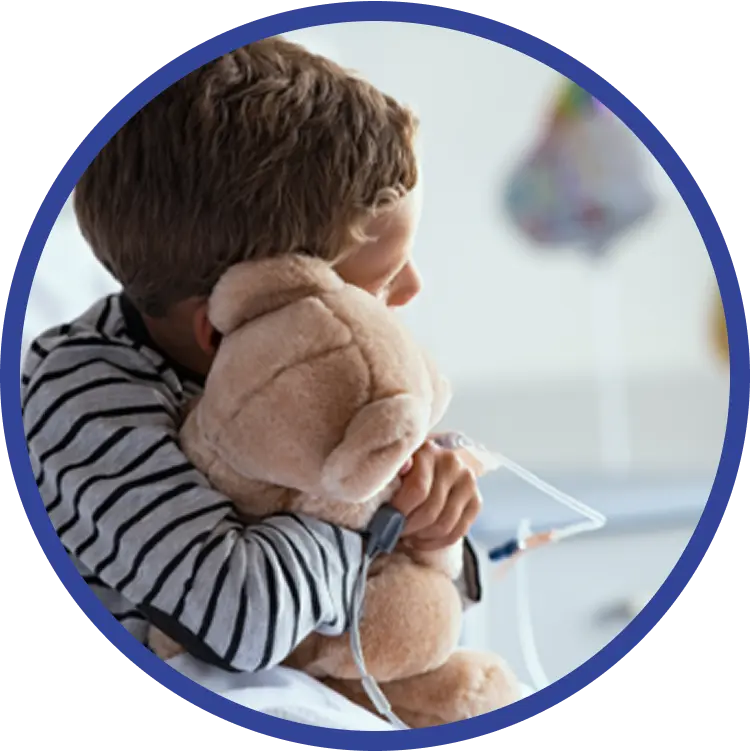
Kady’s Story: A Mother of a 4 Year Old Son Diagnosed With ADH1
As a mom of a 4 year old diagnosed with a de novo (newly identified within a family) CaSR variant at 6 weeks, the journey to get an ADH1 diagnosis for my son was incredibly challenging. Despite my intuition and recognizing early signs that something was wrong, my concerns were initially dismissed by medical professionals. My son experienced severe gastrointestinal issues and muscle spasms, which were overlooked until a severe laryngospasm led to an ER visit where hypoparathyroidism was finally diagnosed. Managing his condition involves a delicate balance of calcium supplementation to avoid kidney damage, causing constant stress. I wish for a life where ADH1 doesn’t dominate our daily existence, allowing my son to enjoy a more carefree childhood. There needs to be better education and support for parents dealing with rare diseases, so our concerns are taken seriously and properly investigated.
“We’re constantly riding the line of giving just enough calcium supplementation to function properly, but not so much that we’re over-medicating and causing irreversible harm to the kidneys.”
– Kady, mother of a son living with ADH1
Jessica, A Wife, Mother, and Licensed Therapist, Who Has Been Living With ADH1 for 29 Years
I was diagnosed with ADH1 around the age of 3 and [diagnosed] with hypoparathyroidism at birth. My parents have shared that because we didn’t know about the specific genetic factors involved, the medication regimen I was on inadvertently caused more harm to my kidneys. This has led to life-long complications, including chronic kidney disease and nephrocalcinosis. The ADH1 symptoms that affect me the most are the brain fog and episodes of tetany.
“If I didn’t experience the symptoms of ADH1, my life would be completely different. I would feel fully in control of my body and sensations. It would bring a sense of stability and freedom that I’ve never fully known.”
– Jessica, living with ADH1
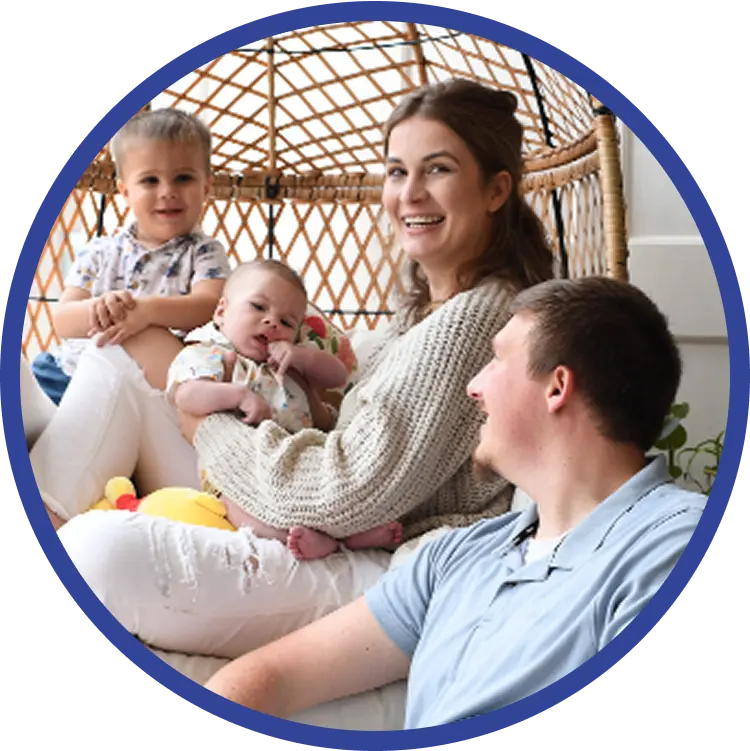

Sarah’s Story: An Artist, Writer, Teacher, Human With ADH1 and Mother of a Child With ADH1
Living with ADH1 has been incredibly isolating and challenging for me. The deep, bone-dragging fatigue has severely limited my career and social life. I felt so lonely because doctors never understood my symptoms or prognosis, and I lacked a community of fellow patients. The most challenging aspects were the isolation from not having a supportive medical community and the uncertainty of how to treat the underlying condition. Initially misdiagnosed with idiopathic autoimmune hypoparathyroidism, I only received the correct diagnosis at 31 when my first child, Beatrice, showed symptoms of low calcium.
The fatigue, which first appeared during my senior year of college, deprived me of socializing with friends and pursuing my dreams. People often didn’t understand how my fatigue was different from normal tiredness, which added to my isolation. My hometown did not have an experienced endocrinologist, so I moved to a nearby city to live with a cousin who helped with lab and doctor appointments. Despite completing my MFA and PhD, my condition and the grief from losing my first child, made it impossible to become an English professor. I felt immense guilt, as doctors believed my illness and unstable minerals caused her death. Additionally, I struggled with depression and anxiety, which were not yet recognized symptoms of low calcium. Now, I teach at a private high school. While I am proud of my perseverance, I often wonder how different my life could have been without ADH1.
“It wasn’t until I was 31 that I was diagnosed with ADH1 when my first child presented with symptoms of low calcium in the NICU.”
– Sarah, an artist, writer, teacher, human with ADH1, and mother of a child with ADH1
Individual experiences may vary; educational purposes only.
Patient stories and pictures shared with their consent.
Take action:
If you experience symptoms of low blood calcium or hypoparathyroidism, or you have a diagnosis of hypoparathyroidism with an unknown cause, speak with your doctor about genetic testing.
Eligibility, access and reimbursement of genetic testing may vary from country to country. Your doctor can advise you about options available in your country.

What is ADH1?
Uncover the root cause: could ADH1 explain your lifelong calcium challenges?
Read more

References
- Roszko et al. J Bone Miner Res. 2022;37(10):1926-1935
- Roszko et al. Front. Physiol. 2016;7:458
- Mannstadt et al. J Bone Miner Res. 2022;37(12):2615-2629
- Bollerslev et al. Euro J Endocrinol. 2015;173(2):G1-G20
- NHS. Genetic and genomic testing. Available at: https://www.nhs.uk/conditions/genetic-and-genomic-testing/