
Uncover the root cause: could ADH1 explain your lifelong calcium challenges?

What is ADH1?

ADH1 (autosomal dominant hypocalcemia type 1) is a genetic form of hypoparathyroidism characterised by low blood calcium levels.1

What causes ADH1?

ADH1 is caused by mutations in the calcium-sensing receptor gene. This calcium-sensing receptor (CaSR) is found in the parathyroid glands and kidneys, and helps regulate how much calcium is in the blood.1

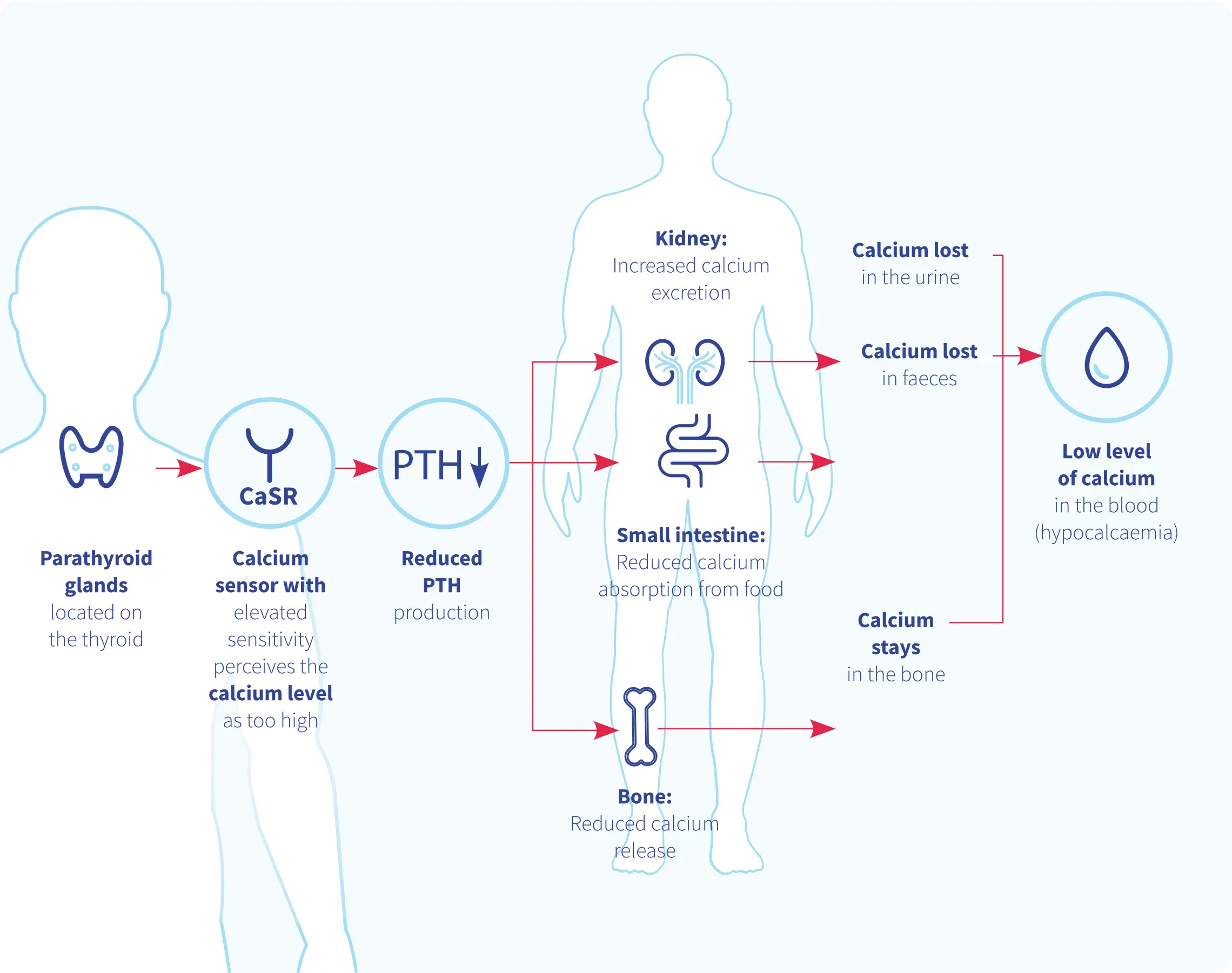
In ADH1, mutations make this sensor extra sensitive. So even when calcium levels are normal, CaSR thinks there is too much calcium.1,2

Your Body’s Calcium Control1

Your body has an automatic system that controls calcium levels in your blood. See what happens when this control system is disturbed.

Person with ADH1
Healthy Individual

Calcium sensor is defective

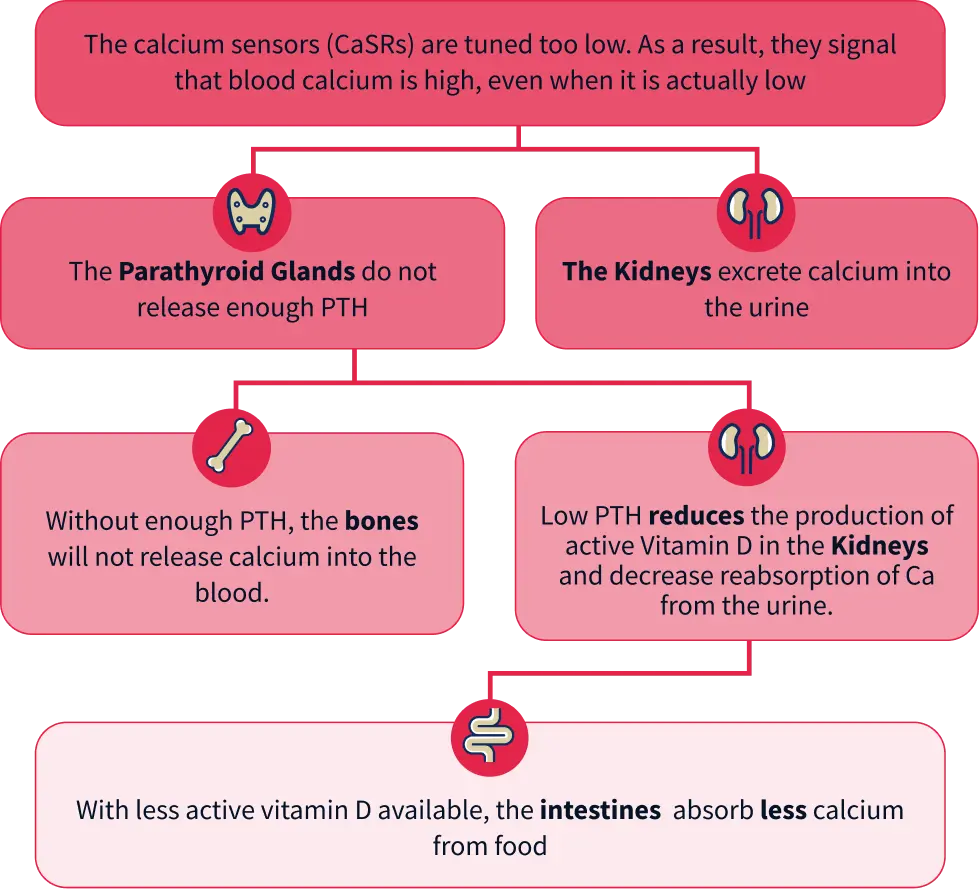
The blood calcium is very low, but the body’s calcium sensors (CaSRs) still think it is too high, so the body keeps trying to lower it even further.

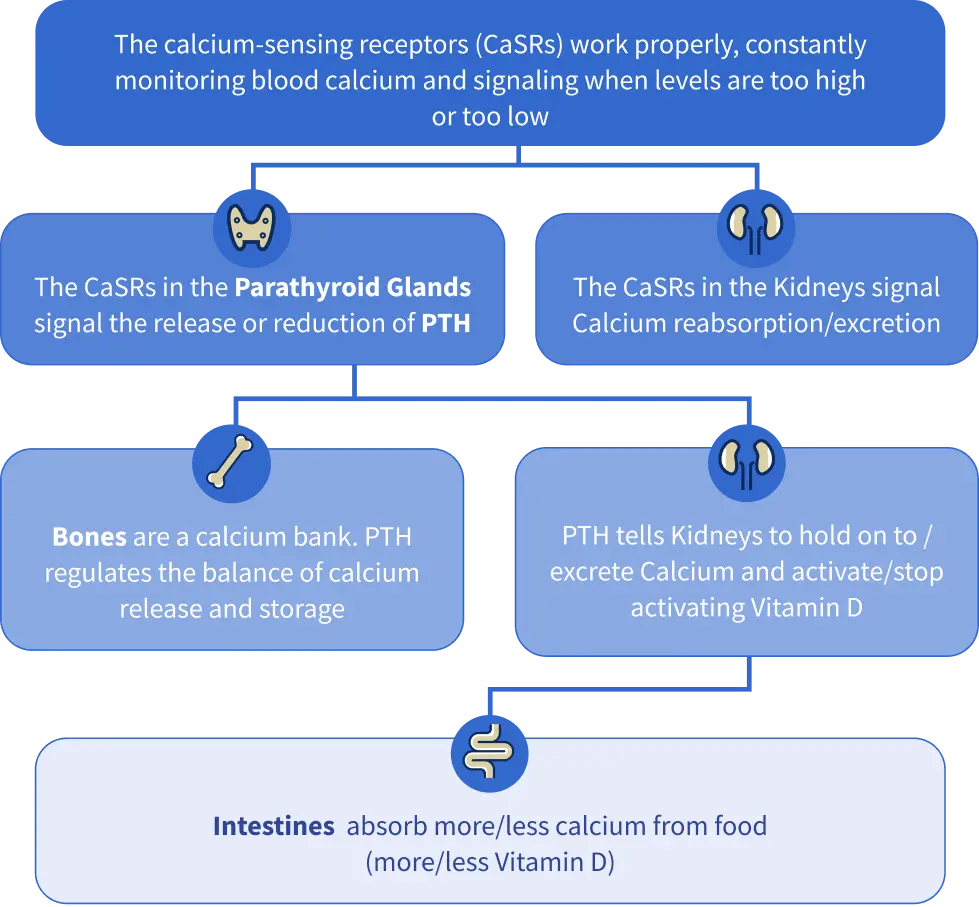
The blood calcium is in the healthy range. The body’s calcium sensors (CaSRs) recognize this correctly and keep balance, so the body functions smoothly.

0.0
CaSR perceived
Blood calcium
Alert Icon Alert Icon
Move the slider to change calcium level
High label
Slider labels
Slider labels

Disclaimer: The exact setpoint varies from person to person, but it is below the normal range.

High label

How the body controls calcium

Person with ADHD
Person with ADHD

Blood calcium stays low

Too much calcium is lost in urine, which can damage the kidneys.

The gut doesn’t absorb enough calcium, and the bones don’t provide their usual backup.

Blood calcium stays in a very tight range (like a thermostat keeping room temperature steady).

Bones, kidneys, and intestines all work together, guided by PTH, to keep calcium where it needs to be for muscles, nerves, and the heart to function properly.

How genetic variants of CaSR can cause low blood calcium levels

BridgeBio - Genetic variants

ADH1 inheritance

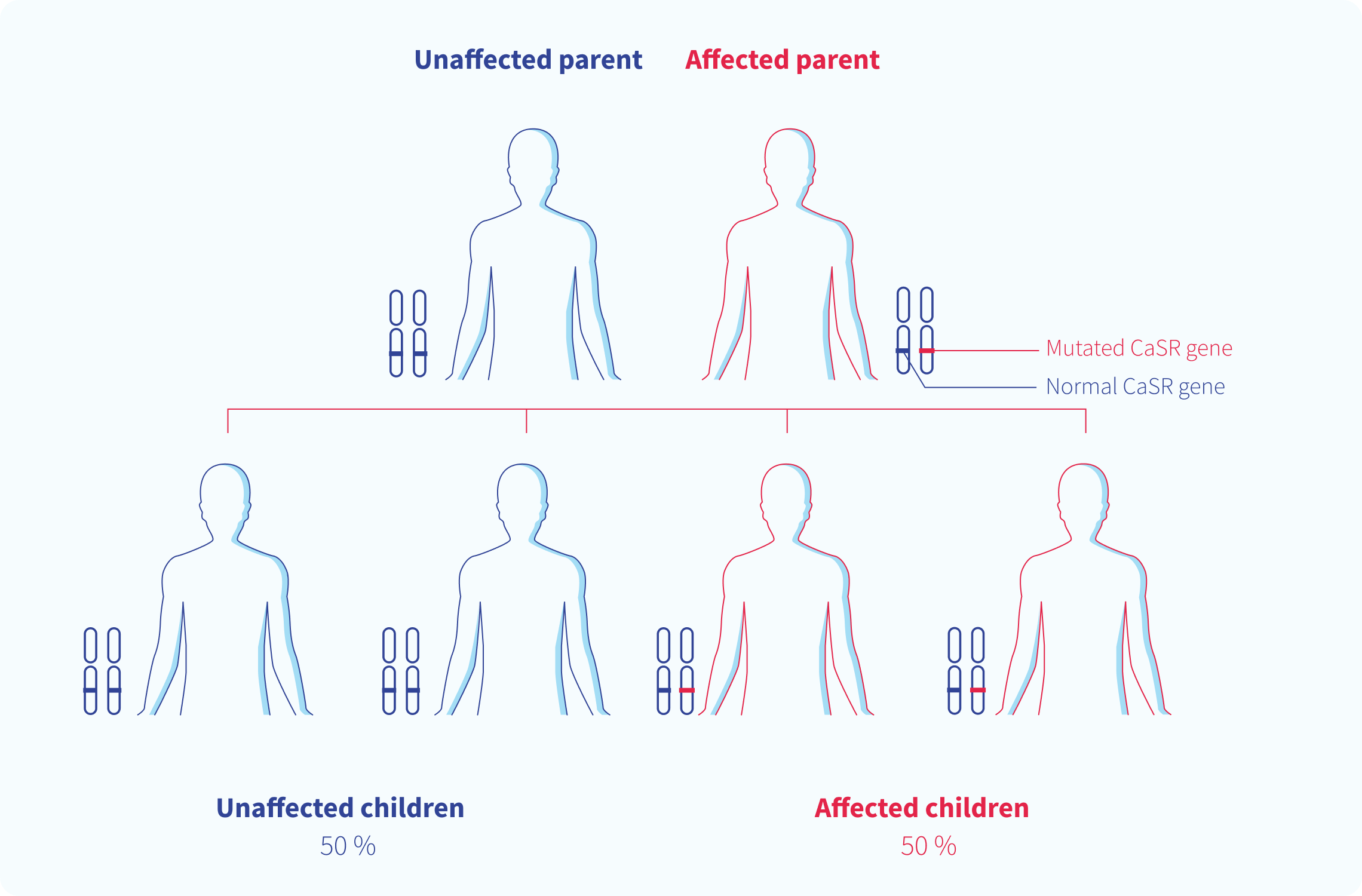
Approximately 20% of ADH1 cases result from spontaneous mutations with no family history of the disorder. The remaining 80% result from autosomal dominant inheritance, which means that if one parent has ADH1, there is a 50% chance of passing it on to offspring.1

ADH1 inheritance pattern

What are the symptoms of ADH1?

ADH1 symptoms vary from person to person, but as ADH1 leads to low calcium levels, most experience the symptoms associated with hypocalcemia. On top of this, ADH1 also causes high urine calcium levels, known as hypercalciuria.1

Long-term conventional treatment of these symptoms with calcium supplements and vitamin D analogs can worsen hypercalciuria, leading to kidney-related issues such as kidney stones and an overall decline in kidney function.1,2

Acute symptoms of ADH11,2

Neuromuscular symptoms

  • Tetany (muscular spasms, twitching, and cramps)
  • Paresthesia (tingling, burning or numbness)
  • Joint or bone pain
  • Fatigue
  • Seizures or laryngospasms

Psychological symptoms

  • Brain fog (difficulties with memory and concentrating)
  • Anxiety
  • Depression

Hypercalciuria

  • High levels of calcium in the urine

Kidney-related

  • Kidney stones
  • Kidney calcification
  • Decline in renal function
  • Chronic kidney disease

Other long-term symptoms

  • Calcium build up in the brain, joints, eyes, and other areas
  • Bone fractures
  • Heart rhythm disorders

Potential long-term consequences of ADH11-3

These symptoms are not exclusive to ADH1. Consult your doctor for an evaluation if you think you may have ADH1 or any other form of hypoparathyroidism.

Early and accurate diagnosis of ADH1 is crucial for optimizing disease management, reducing long-term complications, and enhancing overall quality of life.1

Are you experiencing these symptoms? Genetic testing is an essential tool to confirm ADH1 diagnosis. This is important as people with ADH1 need regular monitoring of blood biochemistry to reduce the risk of kidney damage.1

Early detection enables proactive disease management, leading to better patient outcomes.1

Take action:

If you experience symptoms of low blood calcium or hypoparathyroidism, or you have a diagnosis of hypoparathyroidism with an unknown cause, speak with your doctor about genetic testing.

Eligibility, access and reimbursement of genetic testing may vary from country to country. Your doctor can advise you about options available in your country.

Low calcium, big impact

Unlock the Mystery: is ADH1 the key to understanding your hypocalcemia symptoms?

Read more

ADH1 Current management

Take control: navigating daily life with ADH1 starts here.


Read more

Educational Resources

You’re not alone: connect with others living the ADH1 journey.

Read more
  1. Roszko et al. J Bone Miner Res. 2022;37(10):1926-1935
  2. Roszko et al. Front. Physiol. 2016;7:458
  3. Brandi et al. J Clin Endocrinol Metab. 2016;101(6)2273-2283/li>